


MDS Balance
A gravimetric dosing solution equipped with proven Balance technology for inline dosing critical additives with up to 0.05% accuracy.
While Paskal’s production lines were running reliably, the team began to look deeper into their material consumption figures and noticed a recurring pattern of overdosing on masterbatch material. Recognizing the opportunity to reduce waste and improve process control, they decided to explore alternative dosing technologies.
Paskal turned to Florma, their long-time supplier and specialist in pigments, additives, and dosing solutions. With a strong focus on color precision across industries such as plastics, coatings, and agriculture, Florma quickly identified Movacolor as the right partner to help Paskal take their dosing accuracy to the next level.
We will slowly replace all units in our factory to Movacolor on lines that use color.” — Jack Belmacher, Production Manager at Paskal Group

Based in Israel, Florma has established itself as a trusted partner for industries that rely on accuracy in color and material formulation. The company provides pigments, additives, and dosing equipment for a wide range of sectors — including plastics, coatings, agriculture, cosmetics, and pharmaceuticals.
With decades of experience and a deep understanding of color science, Florma is known for its ability to deliver tailor-made solutions that match exact customer requirements. Under the leadership of Daniel Florenthal, Florma has built a reputation for combining technical expertise with hands-on service, ensuring every customer benefits from precise color consistency and optimal production performance.

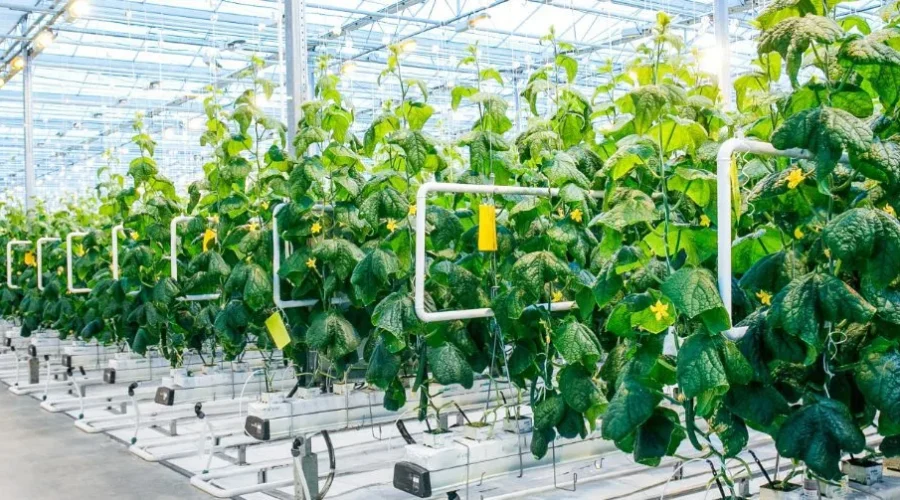
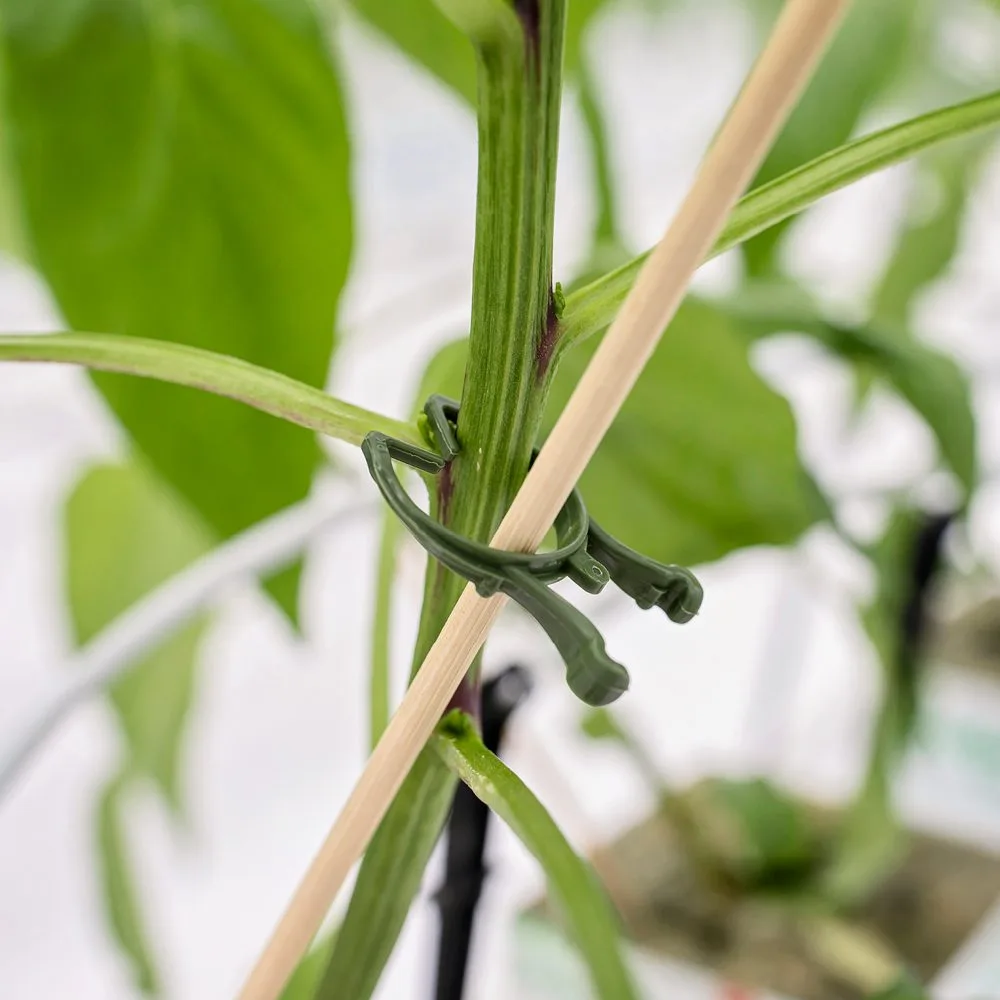
From Israel to Italy, Mexico, and Canada, Paskal Group has become a world-renowned name in the greenhouse and agricultural industry. The company develops and produces advanced solutions such as high-wire hooks, biodegradable clips, and accessories for shading, hail protection, orchards, and vineyards. With more than three decades of expertise and a strong focus on sustainability and innovation, Paskal continues to push the boundaries of agricultural efficiency.
Jack Belmacher contributes to the success of PASKAL Group as a Production Engineer by continuously looking for new opportunities to reduce waste, and increase the capacity and output of their injection molding units that are placed around the globe.
Their production philosophy is simple yet powerful: each line runs one product in one color. That means no changeovers, no interruptions, only maximum uptime. Once a line is running smoothly, the focus shifts entirely to output, efficiency and the consistent quality of every part produced.
Across Paskal’s global facilities—spanning extrusion and injection molding lines in Israel, Italy, Mexico, and six machines in Canada—production runs 24/7 to meet the demand of growers around the world. In their Israelian facility, each injection produces (on average) 48 parts every 4 seconds, adding up to billions of components per year.
To maintain their commitment to precision and color uniformity, Paskal required a dosing solution that could ensure exact color percentages without drift. Their previous systems from another brand showed significant overdosing—around 1.0% against the 0.5% color setpoint—resulting in wasted masterbatch and inconsistent color outcomes across runs.
Given their scale, the stakes were high: with approximately 16 million kilograms of color used per year, even small dosing inaccuracies translate into substantial material costs and production inefficiencies.
In partnership with Florma, Movacolor’s official representative in Israel, Paskal Group tested the Movacolor MDS Balance system—equipped with gravimetric load cells capable of maintaining accuracy within ±0.05%.
The MDS Balance provided the perfect fit: quiet operation, stable dosing, and reliability under continuous, high-speed 24/7 production conditions. Operators and line managers immediately noticed the difference—no color drift, no overdosing, and consistent results across all lines.
Movacolor’s solution consisted of a set-up of four MDS Balances
By switching to Movacolor, Paskal achieved dosing accuracy that eliminated the .5% overdosing experienced with their previous systems.
Given their enormous color consumption, this improvement translates into hundreds of thousands of euros in annual material savings, while also enhancing product consistency and reducing quality complaints to zero.
For the operators, the benefits were just as tangible: smoother production runs, reliable color output, and improved confidence in every batch. The system’s stability means fewer adjustments, less waste, and optimized production uptime.
This case is an example of how even a relatively simple solution can have a massive impact when it’s precisely configured for the process. With the right dosing technology in place, small adjustments can lead to significant gains in efficiency, quality, and material savings.
With an annual color consumption of approximately 16 million kilograms, even the smallest improvement in dosing accuracy can have a significant financial impact. Assuming an average masterbatch cost of €5 per kilogram, a reduction of just 0.5% in material usage translates into savings of around €400,000 per year. If you’re using lower-cost masterbatch at e.g. 2%, savings are still at €160,000. Beyond the cost benefits, this level of precision also supports Paskal’s sustainability goals by minimizing waste and improving production consistency.
We were given a trial unit of the MDS Balance for 30 days, but after two days, we knew it was the right choice going forward,”


